What Your Dog’s Poop Can Tell You About Their Health
This article explains how your dog’s poop can reveal important insights about their health. Learn what healthy poop looks like, warning signs to watch for, and when to contact your vet. A helpful guide for every dog owner who wants to stay ahead of potential health issues.
POOP SCOOPINGPET CARE TIPSRESPONSIBLE PET OWNERSHIP
10/12/20252 min read
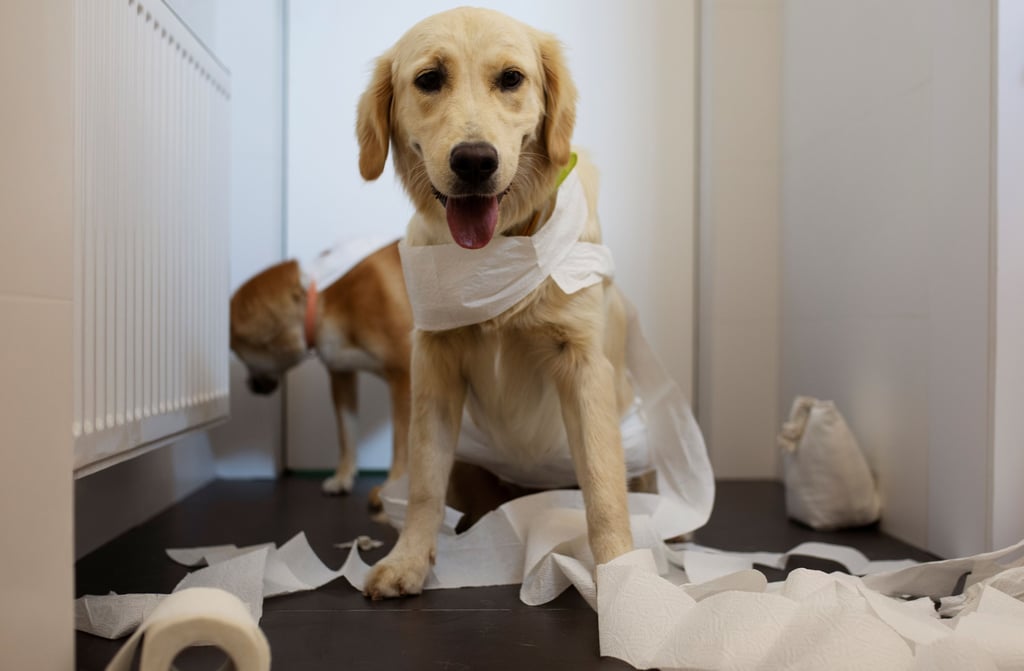
At Pick a Poo, we scoop a lot of poop—and we’ve learned that it’s more than just a mess to clean up. Your dog’s waste can actually offer valuable clues about their health. Whether you’re a new pet parent or a seasoned dog owner, knowing what to look for can help you catch potential issues early.
💩What Healthy Dog Poop Looks Like
Color: Healthy poop is usually chocolate brown.
Shape: Firm, log-shaped, and easy to pick up.
Consistency: Not too hard, not too soft—think Play-Doh texture.
Frequency: Most dogs poop 1–3 times a day, depending on diet and activity.
🚩Warning Signs to Watch Out For
1. Unusual Colors
Black or tarry: Could indicate internal bleeding.
Red streaks: May suggest bleeding in the lower digestive tract.
Green: Could be from eating grass or a sign of gallbladder issues.
Yellow or gray: May point to liver or pancreas problems.
2. Diarrhea or Loose Stools
Can be caused by diet changes, stress, parasites, or infections.
Persistent diarrhea should be checked by a vet.
3. Hard, Dry Poop
May indicate dehydration or lack of fiber.
Can lead to constipation and discomfort.
4. Mucus or Greasy Coating
Could signal inflammation in the colon or digestive issues.
5. Presence of Worms or Foreign Objects
White specks or spaghetti-like strands may be parasites.
Bits of plastic, fabric, or bone could mean your dog is eating things they shouldn’t.
🐶 When to Call the Vet
If you notice any of the following, it’s time to consult your veterinarian:
Sudden changes in poop color or consistency
Blood or mucus in stool
Signs of pain during defecation
Poop that smells unusually foul or metallic
💡 Pro Tip: Keep an Eye on the Pattern
One odd poop isn’t usually a cause for concern. But if you notice consistent changes over several days, it’s worth investigating. Keeping a poop journal (yes, really!) can help track trends and support your vet in diagnosing issues.
Final Thought:
Your dog’s poop is a window into their health. At Pick a Poo, we are not just cleaning up—we are helping you stay informed. If you ever have questions about what we find during a visit, don’t hesitate to ask!
Contact Us!
Follow Us On
info@pickapoova.com
571-330-3073
© Pick a Poo 2026 | All Rights Reserved
Services and Prices